

Netflix’s "The Electric State": A Russo Brothers Rendition Heavy on Action and Marky Mark
The highly anticipated adaptation of Simon Stålenhag’s haunting graphic novel, "The Electric State," directed by the Russo brothers, is gearing up for its Netflix debut on March 14th. However, early glimpses, particularly the recently released final trailer, have sparked mixed reactions, particularly among ardent fans of Stålenhag’s original dystopian vision. The concern stems from the film’s apparent departure from the source material’s somber and introspective tone, opting instead for a more action-oriented approach, complete with a soundtrack infused with the sounds of Marky Mark and the Funky Bunch.
Stålenhag’s "The Electric State" is a visually stunning and emotionally resonant work, characterized by its bleak portrayal of a fractured America, ravaged by technology and societal decay. His art, steeped in a sense of melancholic beauty, depicts a world where colossal, decaying robots roam the landscape, serving as silent witnesses to humanity’s unraveling. The narrative, while seemingly simple on the surface, delves into themes of connection, loss, and the pervasive influence of technology on the human condition.
The Russo brothers, known for their blockbuster success within the Marvel Cinematic Universe, have a distinct filmmaking style characterized by high-octane action sequences, large-scale narratives, and a healthy dose of humor. This style, while undeniably successful in the superhero genre, raises questions about its suitability for adapting Stålenhag’s more nuanced and atmospheric work.
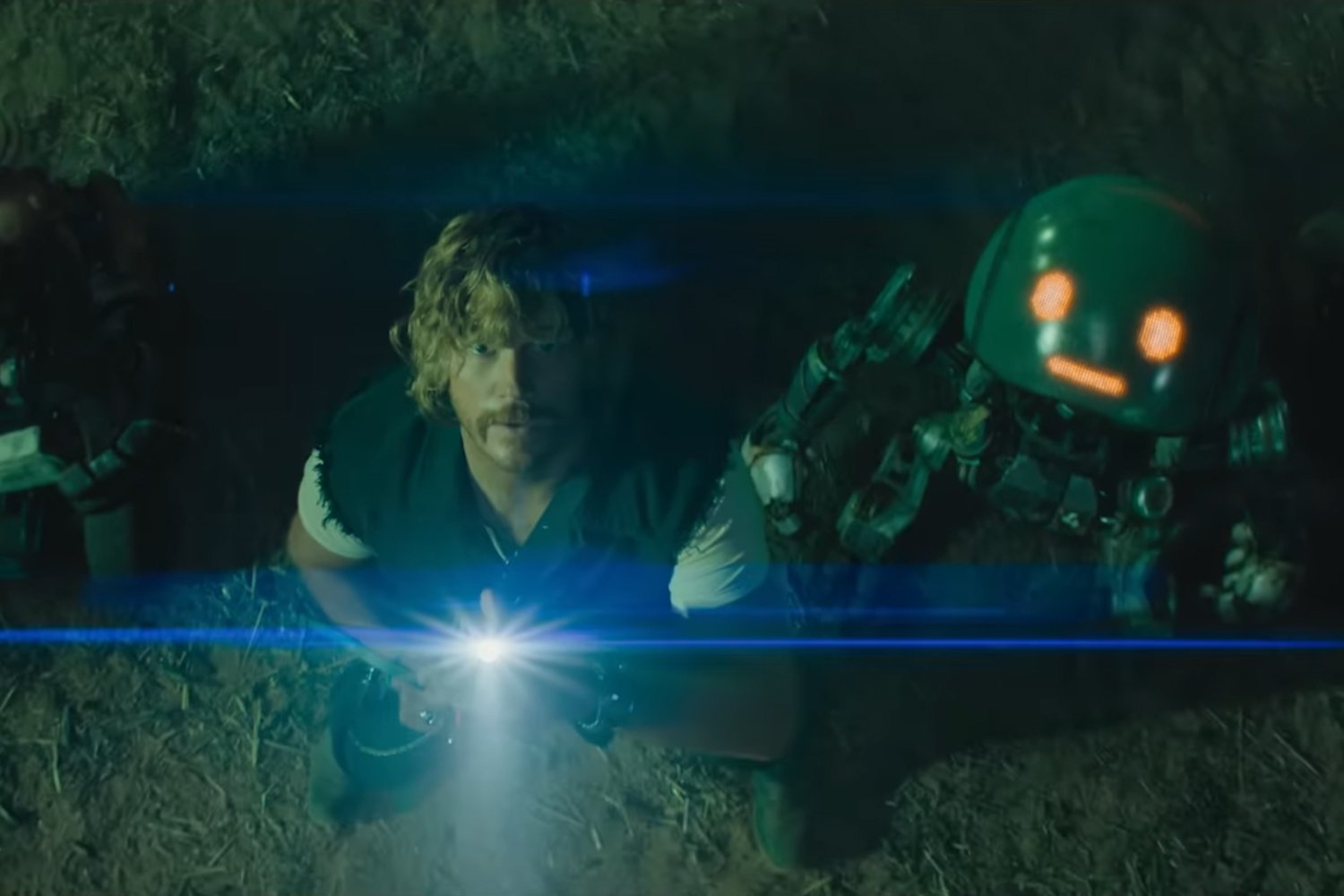
The Netflix adaptation, while loosely adhering to the core storyline of a young girl’s journey across a dystopian United States to find her missing brother, appears to be taking significant liberties with the narrative’s trajectory and overall tone. Millie Bobby Brown, fresh off her success in "Stranger Things," takes on the role of the protagonist, embarking on a perilous quest alongside Keats, a renegade smuggler played by Chris Pratt. From this point, the film diverges significantly from Stålenhag’s original work.
Instead of the quiet contemplation and introspective journey that defined the graphic novel, the film appears to be embracing a more conventional action-adventure narrative. Brown and Pratt, along with their robot allies, become embroiled in a rebellion against a corrupt ruling class, fighting for the rights of sentient machines. This shift towards a more overtly political and action-driven plotline has raised eyebrows among fans who appreciated the original’s more subtle and character-driven approach.
The inclusion of Marky Mark’s music in the trailer has further fueled concerns about the film’s tone and direction. While music can undoubtedly enhance a film’s atmosphere and emotional impact, the choice of such a distinctly upbeat and perhaps incongruous soundtrack element suggests a conscious effort to inject levity and energy into a story that was originally defined by its somber and introspective nature. The self-aware humor that the Russo Brothers are known for, exemplified by the casting of Woody Harrelson as a grown-up Planter’s Peanut and the potential for peanut-related puns, also signals a tonal shift.
Despite the concerns, the trailer does offer glimpses of Stålenhag’s visual aesthetic, particularly in the depiction of decaying technology and the sinister machinations of Stanley Tucci’s unnamed evil corporation figure. These elements provide a glimmer of hope that the film will retain at least some of the visual and thematic elements that made the original graphic novel so captivating.
Ultimately, whether or not "The Electric State" adaptation succeeds in capturing the essence of Stålenhag’s work remains to be seen. Fans who are deeply attached to the source material’s tone and themes may find themselves disappointed by the film’s more action-oriented and humorous approach. However, viewers who are open to a different interpretation and are fans of the Russo brothers’ filmmaking style may find themselves enjoying a decent and occasionally explosive action film with impressive visual effects and a compelling narrative, albeit one that deviates significantly from the original source. The film is potentially a blockbuster hit and might bring new fans to Stålenhag’s original work.
The adaptation highlights the inherent challenges of translating a visually driven and thematically complex work of art into a different medium. While filmmakers often strive to remain faithful to the source material, they also have to make creative decisions to adapt the story to the demands of the screen and appeal to a wider audience. In the case of "The Electric State," the Russo brothers appear to have prioritized action and entertainment over a strict adherence to Stålenhag’s original vision.
Ultimately, "The Electric State" on Netflix presents itself as a fascinating case study in adaptation. It showcases the potential for creative interpretation and reinvention while simultaneously raising questions about the balance between staying true to the source material and crafting a film that can stand on its own merits. Whether the film’s deviations from the original will be seen as a betrayal or a bold reimagining remains to be determined, but one thing is certain: "The Electric State" is poised to generate considerable discussion and debate among fans of both the graphic novel and the Russo brothers’ filmmaking style. Viewers will have to tune in on March 14th to form their own opinions.

