

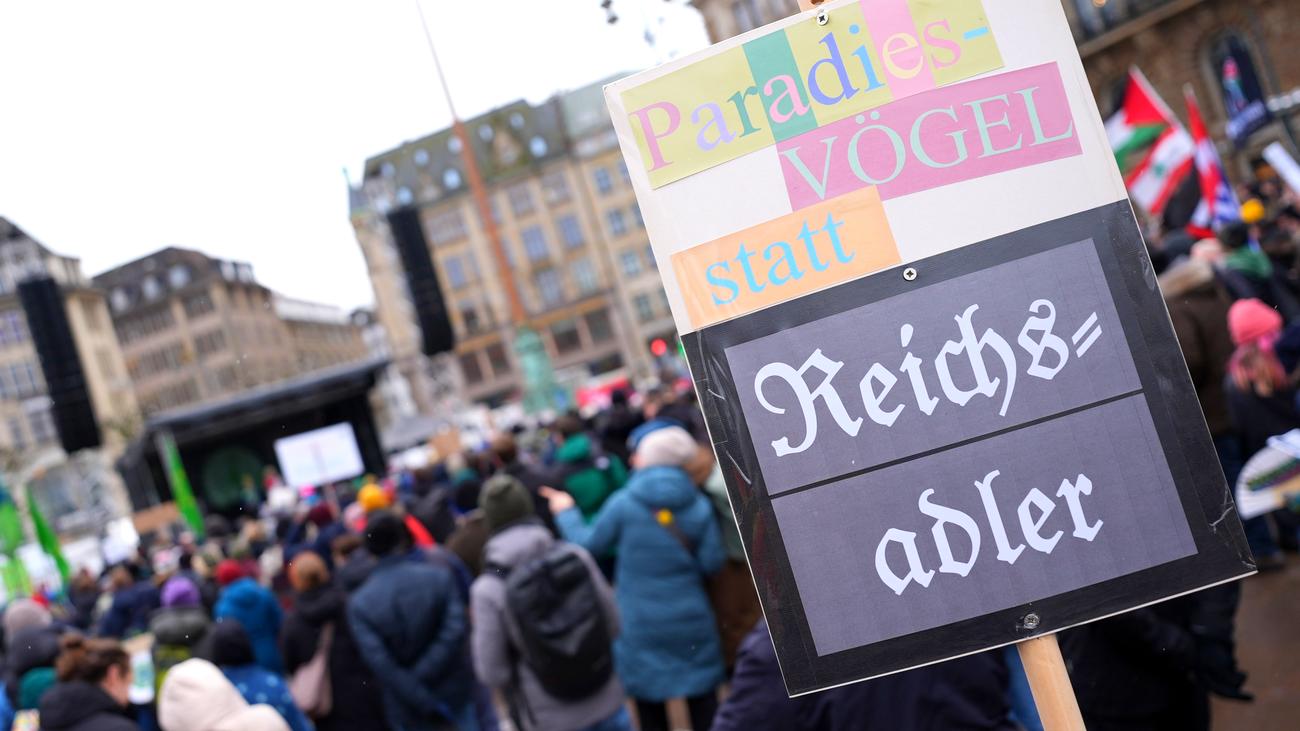
Climate Activism Intertwined with Anti-Fascism and Democracy
At a recent Fridays for Future rally, renowned climate scientist Mojib Latif took to the stage, boldly declaring his stance not only on climate protection but also against the far right. He asserted, "The far right seeks to deprive us of everything that makes life worth living. They intend to not only destroy our environment but also strip us of our freedom, democracy, and human rights."
Latif’s powerful words echoed through the crowd, igniting a shared sentiment that the fight for climate justice was inextricably intertwined with the preservation of democratic values. He emphasized that "no human being is illegal," emphasizing the importance of safeguarding the rights and dignity of all individuals.
The rally’s speakers repeatedly emphasized the connection between climate action and the defense of democracy. They argued that addressing the climate crisis required a strong and inclusive society where citizens could participate freely in decision-making and hold their leaders accountable.
"Those who seek to divide us and spread fear are the same ones who seek to exploit our planet for their own gain," one speaker declared. "We must stand together against both climate change and the forces that seek to undermine our democracy."
The Hamburg rally, attended by an estimated 7,500 climate activists, was a testament to the growing movement linking environmental protection with the defense of fundamental values. The participants recognized that the threats posed by climate change and the rise of far-right ideologies were not mutually exclusive but rather interconnected.
Climate activists argued that climate change disproportionately impacted marginalized communities, exacerbating existing inequalities. They highlighted the need to address social justice and environmental issues simultaneously, creating a sustainable and equitable future for all.
The rally also served as a reminder of the urgency of climate action. Speakers urged attendees to pressure governments to implement meaningful policies that would reduce greenhouse gas emissions and mitigate the worst effects of climate change. They emphasized the need for a just transition that would protect workers and communities affected by the shift to a low-carbon economy.
As the rally concluded, the participants left with a renewed sense of purpose and determination. They had come together not only as climate activists but also as advocates for democracy, human rights, and social justice. They vowed to continue their fight for a future where both the planet and its inhabitants could thrive.
The Hamburg climate strike was a powerful example of how the fight for environmental sustainability cannot be separated from the defense of fundamental democratic principles. By linking climate action with anti-fascism and the promotion of human rights, the participants demonstrated that a sustainable future required not only a healthy environment but also a society based on equality, justice, and inclusivity.

