

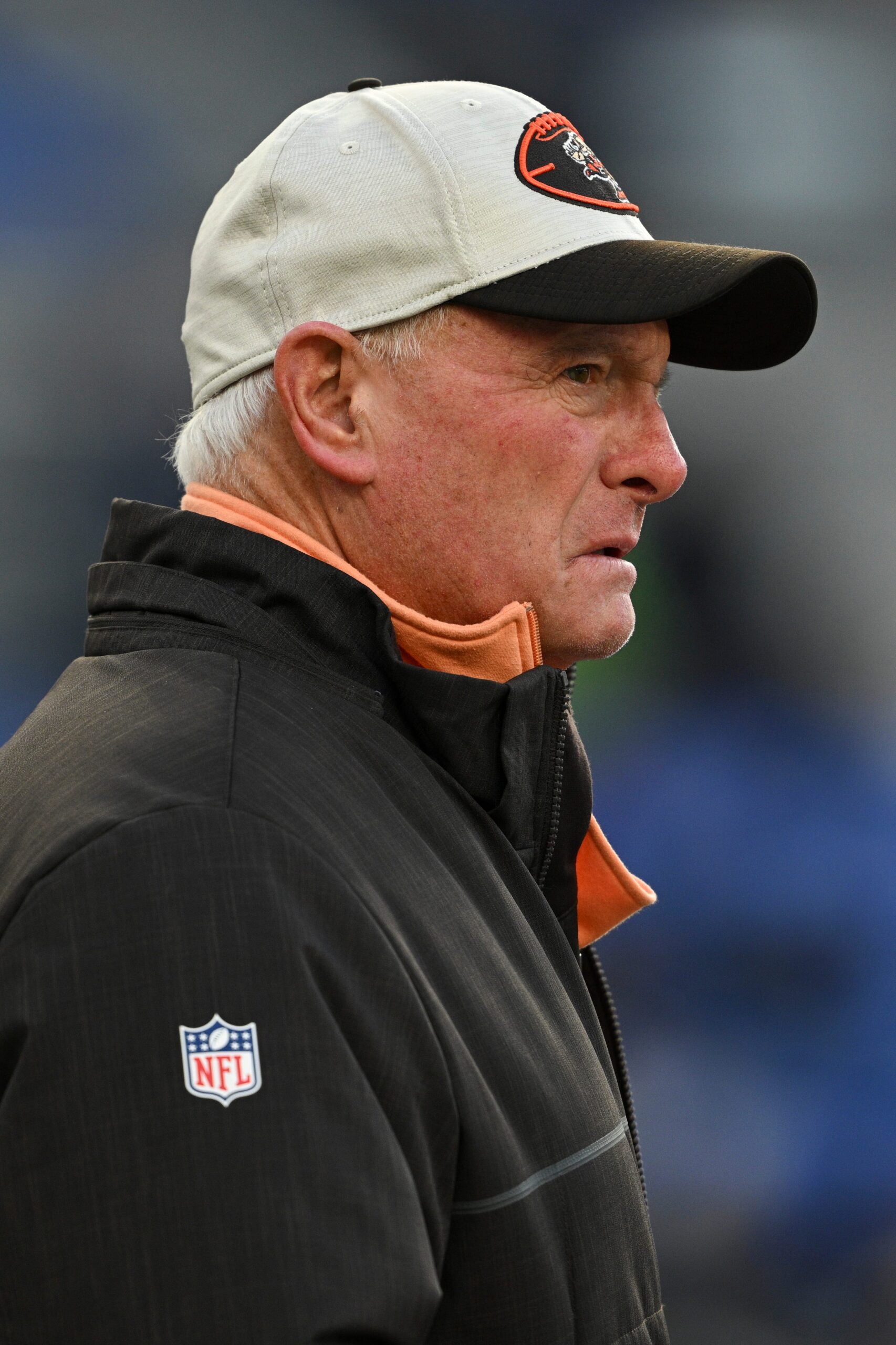
Haslam’s Rejection of Garrett’s Meeting Request: A Monumental Blunder for the Browns
The Cleveland Browns are, to put it mildly, a franchise steeped in misfortune. From quarterback controversies to coaching carousels, the team has consistently found new and inventive ways to disappoint its long-suffering fanbase. But even by Browns standards, the recent news surrounding Myles Garrett and owner Jimmy Haslam represents a particularly egregious error in judgment, a self-inflicted wound of epic proportions.
The narrative is simple, yet staggering in its implications: Myles Garrett, arguably the greatest player in Browns history and a surefire Hall of Famer, requested a meeting with team owner Jimmy Haslam. Haslam, for reasons that defy logic and basic common sense, declined.
Let’s break this down. This isn’t some disgruntled backup cornerback complaining about playing time. This is Myles Freaking Garrett. A defensive titan. A player who routinely terrorizes opposing quarterbacks and single-handedly alters the outcome of games. A five-time Pro Bowler, four-time All-Pro, and former Defensive Player of the Year. A player, let’s not forget, who at 29 years old is entering what should be the prime of his career.
To spurn a meeting request from such a player is not just a tactical error; it’s an insult. It’s a demonstration of hubris and a staggering lack of understanding of player relations. It’s a move so tone-deaf that it borders on the unbelievable.
The article’s initial reaction is spot on. In a hypothetical scenario where the reader assumes ownership of the Browns, the only rational response to Garrett’s request is an enthusiastic, immediate "yes." Options A, B, C, and D all converge on the same obvious conclusion: meeting with your franchise cornerstone is not optional; it’s mandatory. It’s not a favor; it’s your job.
But Haslam seemingly operates under a different set of principles, one that prioritizes organizational charts and perceived authority over the needs and concerns of his star player. Mary Kay Cabot’s report that Haslam directed Garrett to speak with general manager Andrew Berry only compounds the issue. While Berry is undoubtedly a capable executive, he is not the owner. He does not hold the ultimate power within the organization.
Garrett’s request to speak with Haslam wasn’t about circumventing the chain of command; it was about directly addressing the person responsible for the direction of the franchise. It was about conveying his concerns, his frustrations, and his vision for the future of the team to the individual who can actually enact change.
The article correctly points out the lack of a traditional "chain of command" when dealing with a player of Garrett’s stature. He has earned the right to be heard at the highest level. His contributions to the team, both on and off the field, warrant a direct audience with the owner. To deny him that opportunity is not only disrespectful but also potentially detrimental to the long-term success of the Browns.
The context surrounding Garrett’s meeting request is crucial. He recently requested a trade, citing his desire to compete for a Super Bowl. In a heartfelt statement, he emphasized his love for the Northeast Ohio community and the Browns fanbase but ultimately concluded that his aspirations for championship contention could not be realized in Cleveland.
Whether a conversation with Haslam would have changed Garrett’s mind is debatable. The article acknowledges that it "probably not" have altered his trade request, but still emphasizes that "it couldn’t hurt." That is a fundamental truth that Haslam seemingly overlooked. Even if the meeting didn’t result in an immediate resolution, it would have demonstrated a willingness to listen, to understand, and to address Garrett’s concerns. It would have sent a message of respect and appreciation to a player who has consistently given his all for the Browns.
Instead, Haslam’s rejection sends a far more damaging message: that Garrett’s voice doesn’t matter, that his concerns are not valued, and that the owner is unwilling to engage in open and honest dialogue with his star player.
The ripple effects of this decision will likely extend far beyond the walls of the Browns’ training facility. As the article notes, players across the league will undoubtedly take notice of Haslam’s actions. They will see a situation where one of the NFL’s elite players is denied a meeting with his owner and draw their own conclusions about the organization’s culture and commitment to its players.
This incident could have a chilling effect on the Browns’ ability to attract and retain talent in the future. Free agents may think twice about signing with a team where the owner appears to be so disconnected from his players, and current players may become increasingly disillusioned with the organization.
Ultimately, Haslam’s rejection of Garrett’s meeting request is a microcosm of the Browns’ larger problems. It’s a symbol of a franchise that has consistently struggled to prioritize its players, to build a winning culture, and to make sound decisions both on and off the field. It reinforces the perception that the Browns are more concerned with maintaining the status quo than with embracing change and striving for excellence.
The Browns are standing at a crossroads. They can continue down the path of mediocrity, clinging to outdated practices and alienating their best players. Or they can learn from their mistakes, embrace a more collaborative approach, and prioritize the needs and concerns of their athletes. The choice, as always, is theirs. But if they continue to make decisions like this one, the future of the Browns will likely be as bleak as their past. The only way to change direction is to show players that they care, and not meeting with a player as important as Myles Garrett sends the message that they don’t care at all.

