

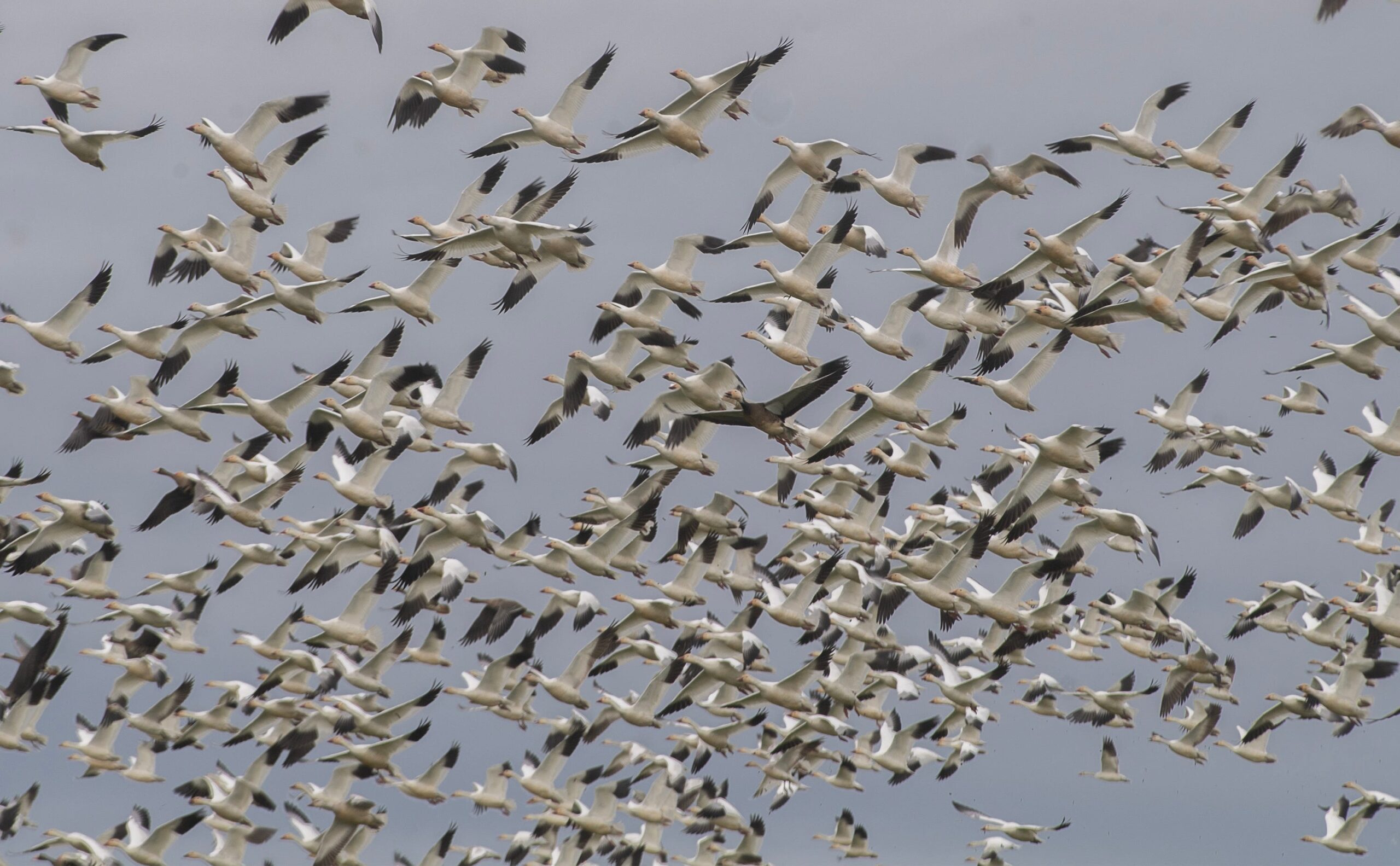
The Great Backyard Bird Count: A Global Endeavor for Avian Conservation
Introduction
While Valentine’s Day celebrates romantic love, the weekend following it holds a special significance for nature enthusiasts worldwide. The Great Backyard Bird Count (GBBC) returns each year, inviting individuals from all corners of the globe to engage in a shared passion for avian beauty and conservation.
The GBBC: A Time-Honored Tradition
Now in its 28th year, the GBBC is a collaborative effort between the National Audubon Society, Cornell Lab of Ornithology, and Birds Canada. This four-day event (February 14-17) empowers nature enthusiasts to observe and count birds in their favorite locations.
Importance of Data Collection
The information gathered during the GBBC plays a vital role in advancing scientific understanding of global bird populations. By monitoring where birds reside and tracking changes in their distribution over time, scientists gain valuable insights into species’ well-being and the health of their habitats.
Historical Significance and Global Participation
Originally conceived to map bird distribution in the Northern Hemisphere prior to spring migration, the GBBC has evolved into a global initiative. Last year’s count saw over 550,000 participants from 200 countries, resulting in the identification of 7,538 species – approximately two-thirds of the known avian species on Earth.
Scientific Impact
The data collected during the GBBC has contributed to over 200 scientific publications, shedding light on species’ habitat preferences, migration patterns, and population trends. This information enables conservationists to develop targeted strategies for protecting birds and their environments.
Benefits of Bird Watching
Beyond its scientific value, bird watching offers numerous benefits for individuals and society as a whole. Around 96 million Americans engage in bird watching, with many doing so from their own backyards. This activity not only provides a relaxing and enjoyable pastime but also generates economic benefits by stimulating tourism, retail sales, and conservation efforts.
Call to Action
Brooke Bateman, the National Audubon Society’s senior director of Climate and Community Science, emphasizes, "The more we enjoy birds together, the more likely it is that we take steps to protect them and the places they need." The GBBC serves as a platform for fostering a sense of stewardship for avian life and inspiring conservation actions.
How to Participate
Participating in the GBBC is as simple as observing and counting birds for as little as 15 minutes during the February 14-17 period. Participants can submit their observations online via the eBird platform or through the Merlin app. Every count, no matter how small, contributes to the collective knowledge base about our feathered friends.
Conclusion
The Great Backyard Bird Count is not just an event; it is a testament to the power of citizen science and the shared passion for avian conservation. By counting birds together, we not only appreciate their beauty but also generate valuable data that informs scientific decision-making and enhances our understanding of the natural world. Join the GBBC and contribute to the collective effort to safeguard birds for generations to come.

